Program Details
Saturday, October 21, 2023
—
Curated by Jaclyn Quaresma
—
Work by Erin Johnson, Gabi Dao, Nadia Shihab, Yuula Benivolski, Zaina Bseiso
—
e-flux Screening Room, New York
—
A conversation between Nadia Shihab and Erin Johnson moderated by Jaclyn Quaresma followed the program.
Images Festival presents the film program Leakier Gardens II, which includes the work of Erin Johnson, Gabi Dao, Nadia Shihab, Yuula Benivolski, and Zaina Bseiso. Together, the artists consider multiple forms of nourishment, sustenance, and cultural transference across bodies, territories and generational lines. Through these works, we find the metaphor of the garden extending beyond the plot to include those porous spaces in our lives that require tending to the growth of (one) another, that allow entanglements to flourish and where fruit, flower, and seed demand attention and care– not from a master gardener– but through each cultural leakage, slippage, spill and spoil.
Leakier Gardens II is the third iteration in an ongoing series of screenings, exhibitions, and myriad potential manifestations. Hosted by Images Festival, this series considers the garden as something that, despite one’s intention, cannot be contained, and thus foregrounds the incontainability of edges and borders. The second iteration Leakier Gardens was an exhibition and can be found here. The first, Leaky Gardens, complicated the notion of the garden as a gentle refuge, revealing its colonial roots alongside the work of Eve Tagny, Vanessa Dion Fletcher and Yza Nouiga.
Program Schedule
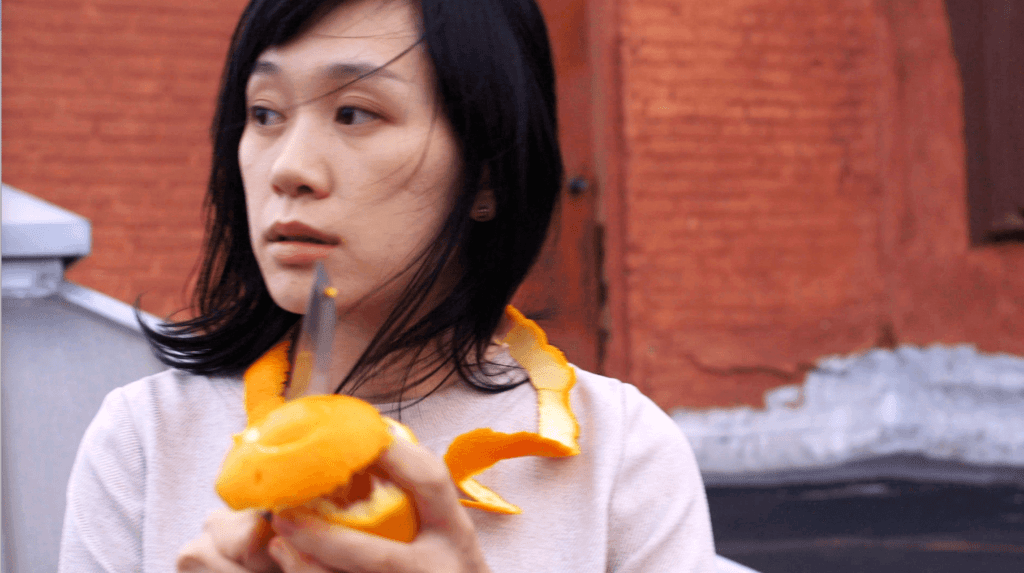
Erin Johnson, Oranges, 2023. Three channel video. 3MIN loop. No Dialogue.
A group of artists engage in collective queer, desirous, and improvisational exchanges while eating oranges on a rooftop. The video reflects on feminist theorist Silvia Federici’s call to “reconnect what capitalism has divided: our relation with nature, with others, and our bodies.”
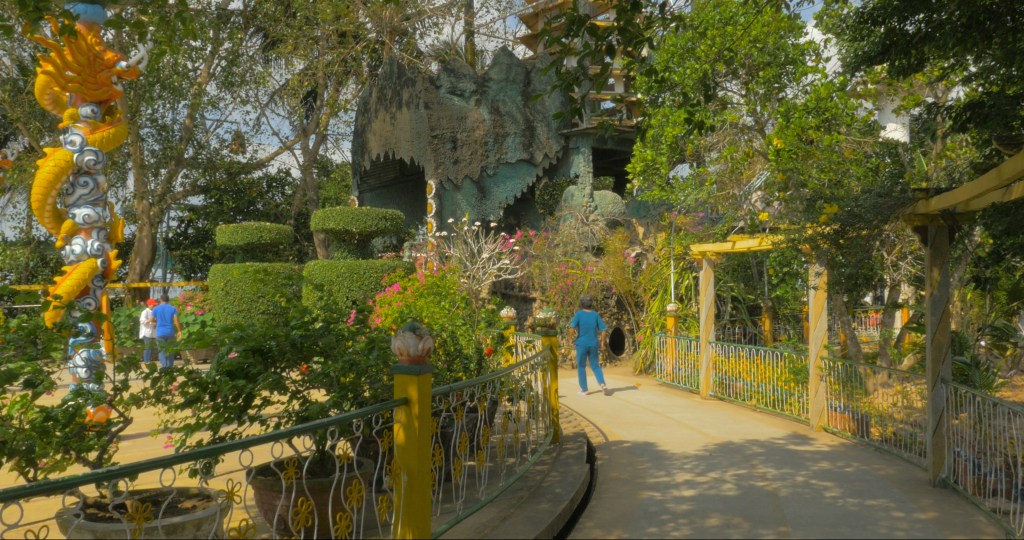
Gabi Dao, Coco Means Ghost, 2019. Single-channel video, 25MIN. Vietnamese with English subtitles.
Gabi Dao’s video-poem layers archival fragments, individual and family recollections, and lingering questions linked to Vietnam, unfolding narratives about intergenerational memory—both its legible recordings and its deeply visceral textures. How we remember, less so what, becomes a gateway into somatic residues, which spill from the gaps of official archives and constructed histories.
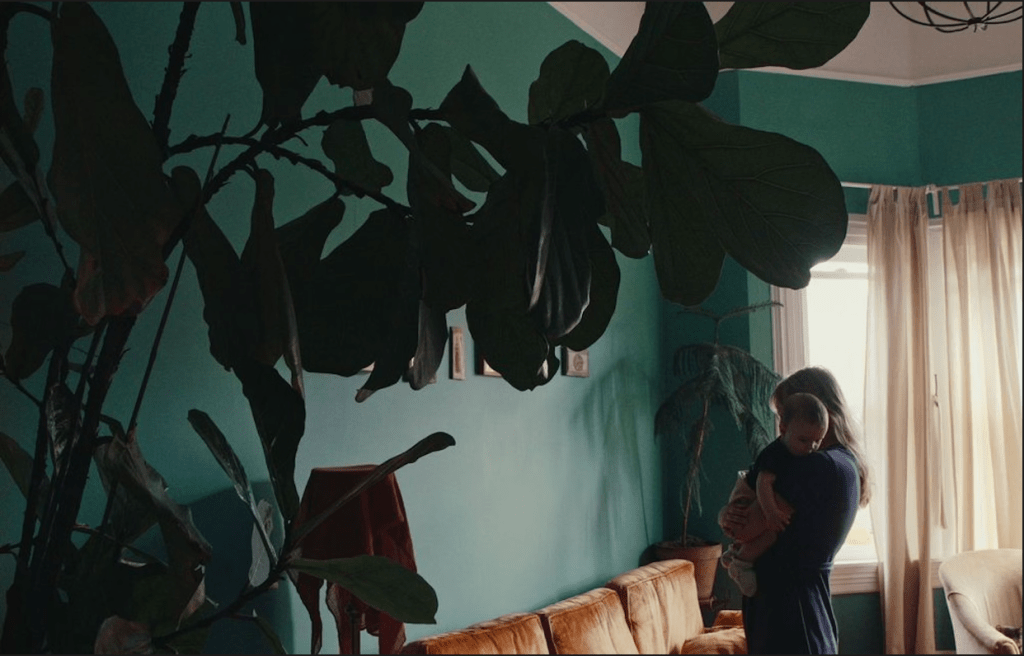
Nadia Shihab, Sister, Mother, Lover, Child, 2022. Video.
It is spring yet all is coloured by a season of grief. A child dances, the grapevine ripens. We press our ears to the glass and hear singing from afar. Suspended, together, we are an unlikely constellation. I hold the frame until I find the form. Sister mother lover child.
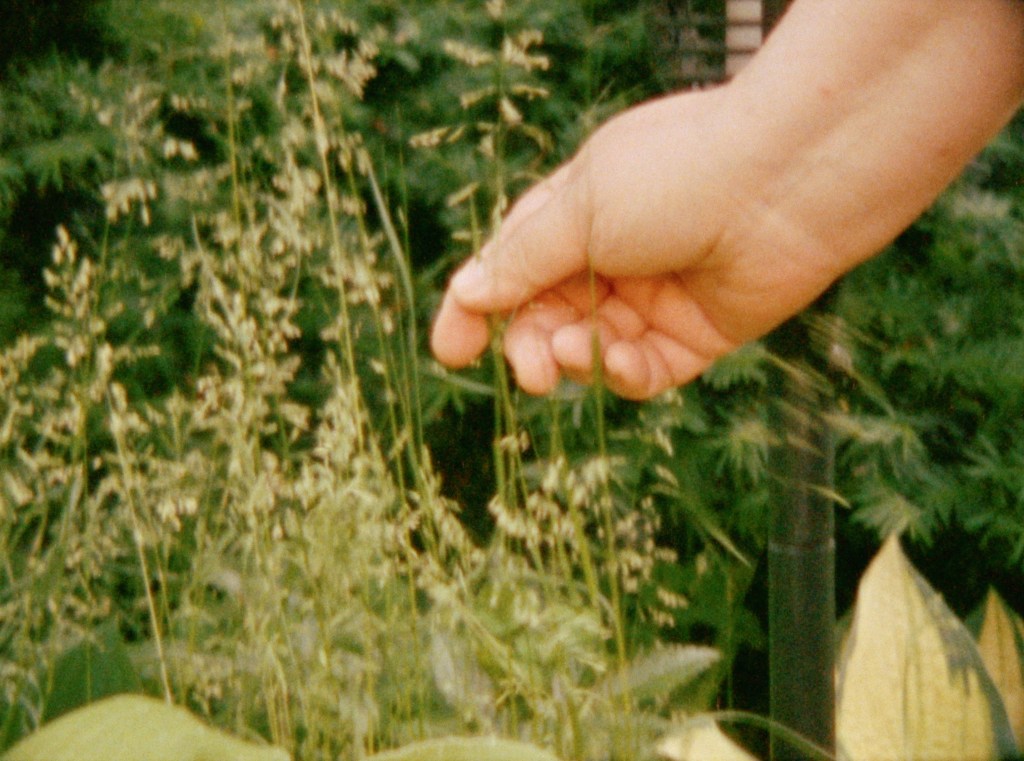
Yuula Benivolski, Eclipse in the Garden, 2021. 8MM>Digital, 6MIN. Russian with English subtitles.
Yuula Benivolski’s mother always wanted a garden, and now she has one. Eclipse in the Garden is a poem about the relationship between a name and a place. Tatars and other non-Russian communities in the USSR were forced to go through Russification—the spread of Russian language, culture, and people into non-Russian cultures and regions. Forcing the many minority groups within the USSR to accept the Russian culture was an attempt to prevent self-determination and separatism. As a result, many people including the filmmaker’s mother weren’t able to use their mother tongue, eventually forgetting it.
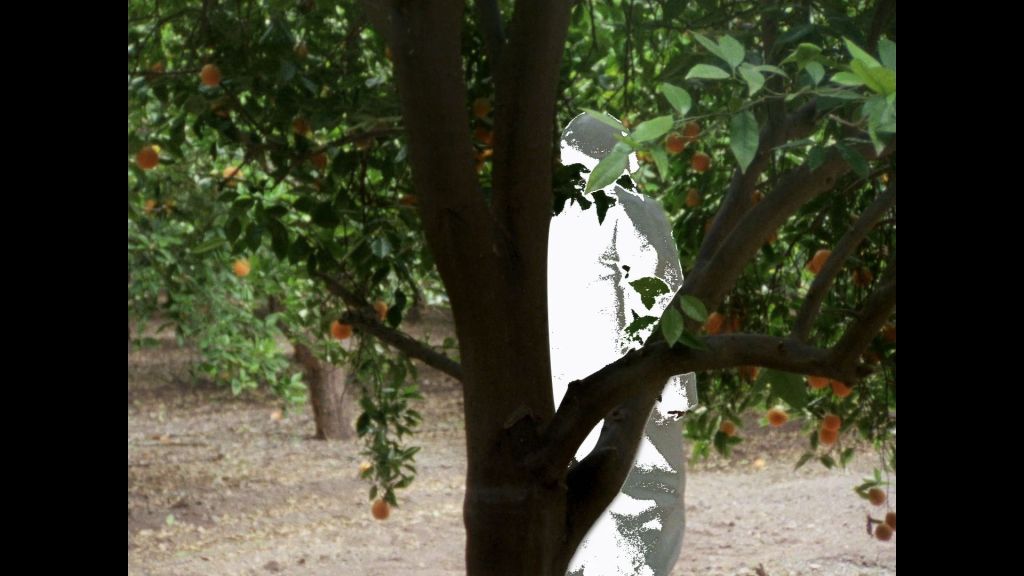
Zaina Bseiso, When Light is Displaced, 2023. Digital video, 6MIN. Arabic with English subtitles.
Interested in its parallels with the fate of the Jaffa oranges, the filmmaker speaks to her father about her intention to film the last orange grove in Los Angeles. Their disagreement transforms the grove into a space of contemplation on the politics of storytelling in the multi-generational experience of Palestine in exile.
 Jaclyn Quaresma