June 29 – August 6, 2022
—
Curated by Jaclyn Quaresma
—
Work by Alyssa Alikpala, Erika De Freitas, Rihab Essayh, Eve Tagny and Alize Zorlutuna
—
Gallery TPW, Toronto
In partnership with Images Festival and Contact Photography Festival
This exhibition considers the reparative and restorative potential of slowness through ideas of tenderness and transgression. The artists that have contributed the objects, videos and installations included in this exhibition created and compiled them during the ongoing pandemic and concurrent collision of multiple crises. Not quite sopping in grief, the exhibition proposes the gallery as a place where sorrow, heartache, and distress may be embraced and processed.
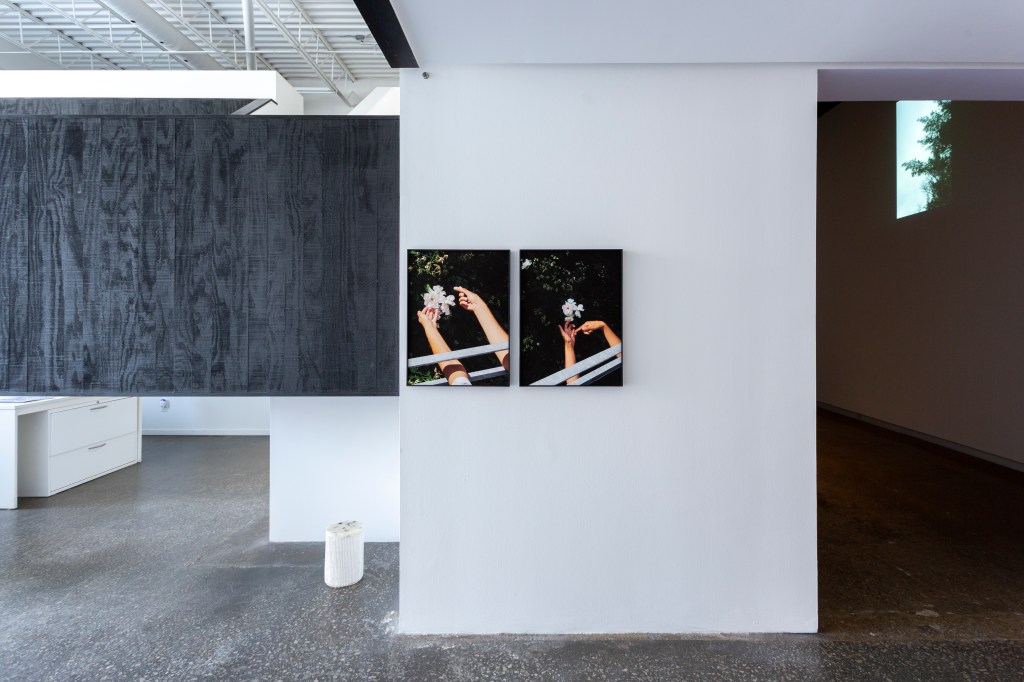
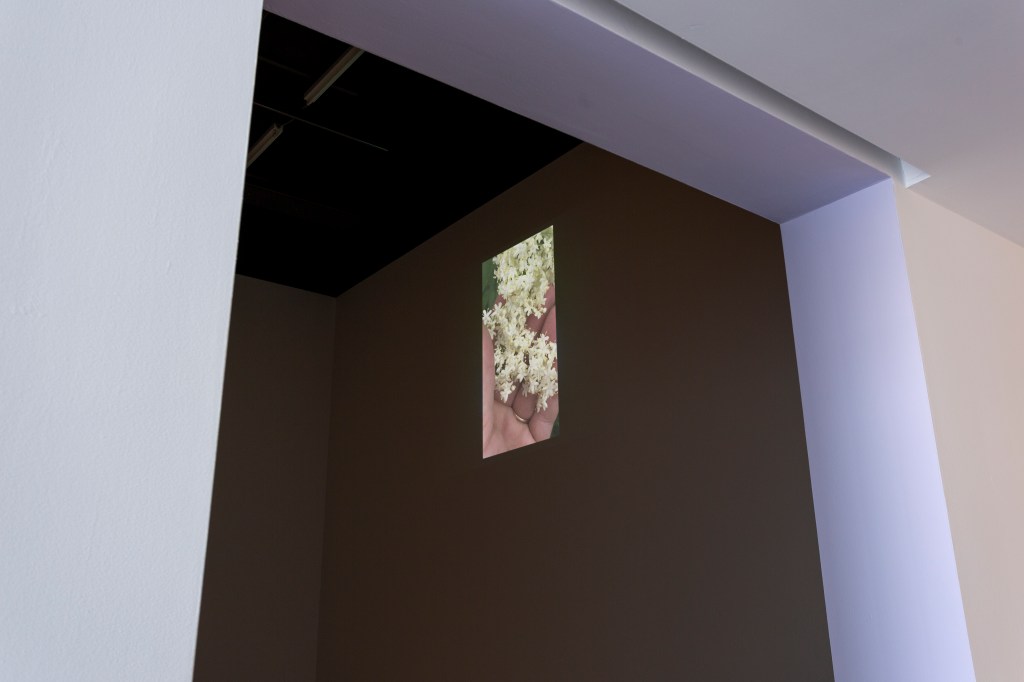
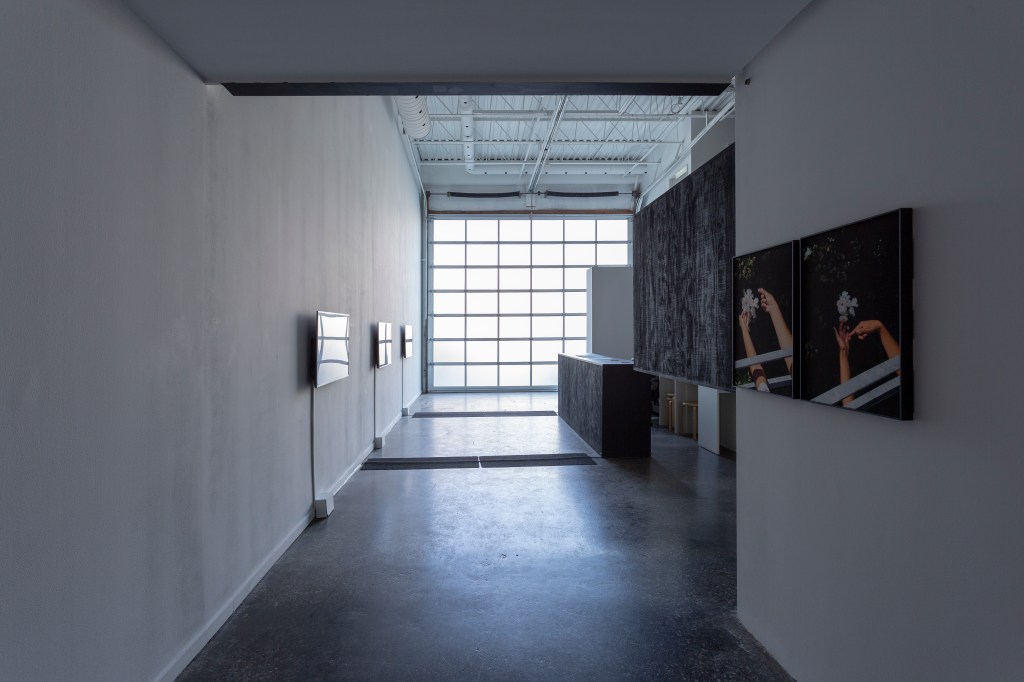
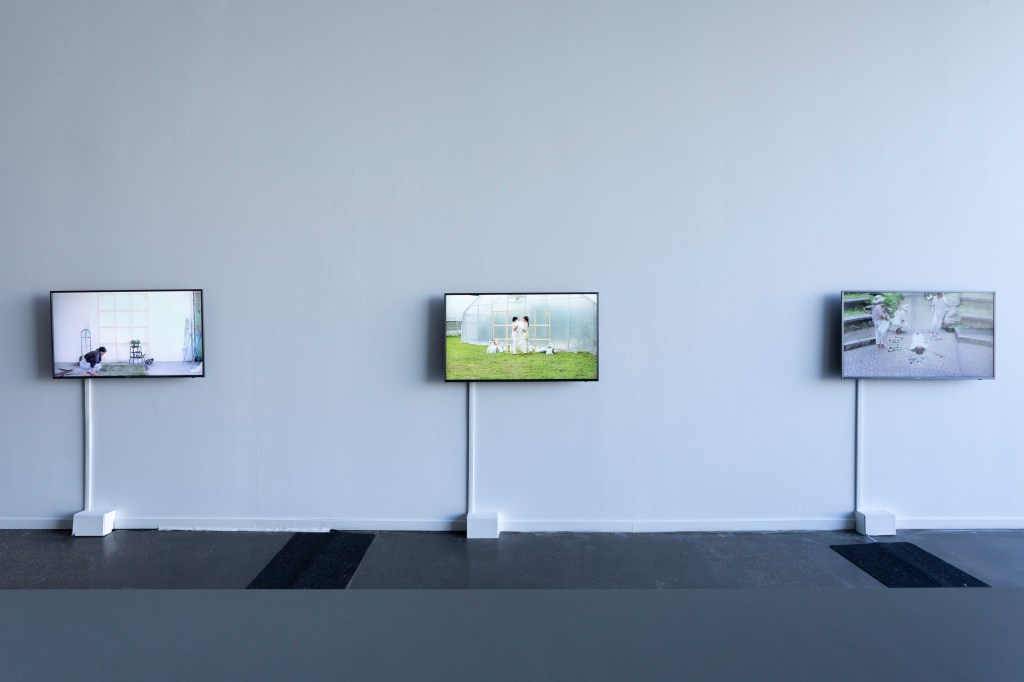
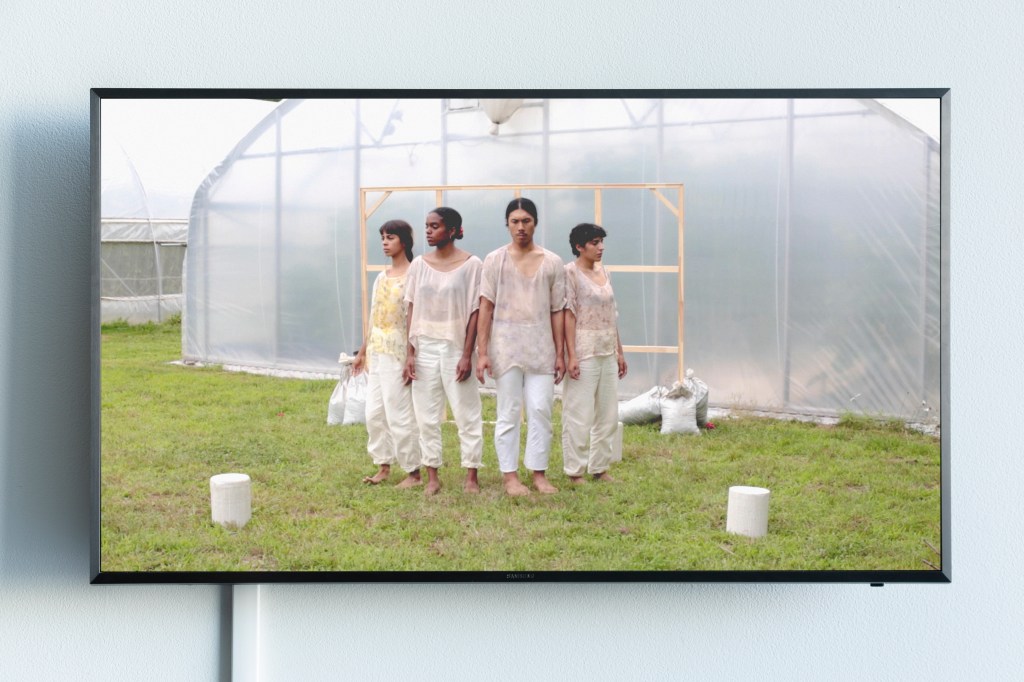
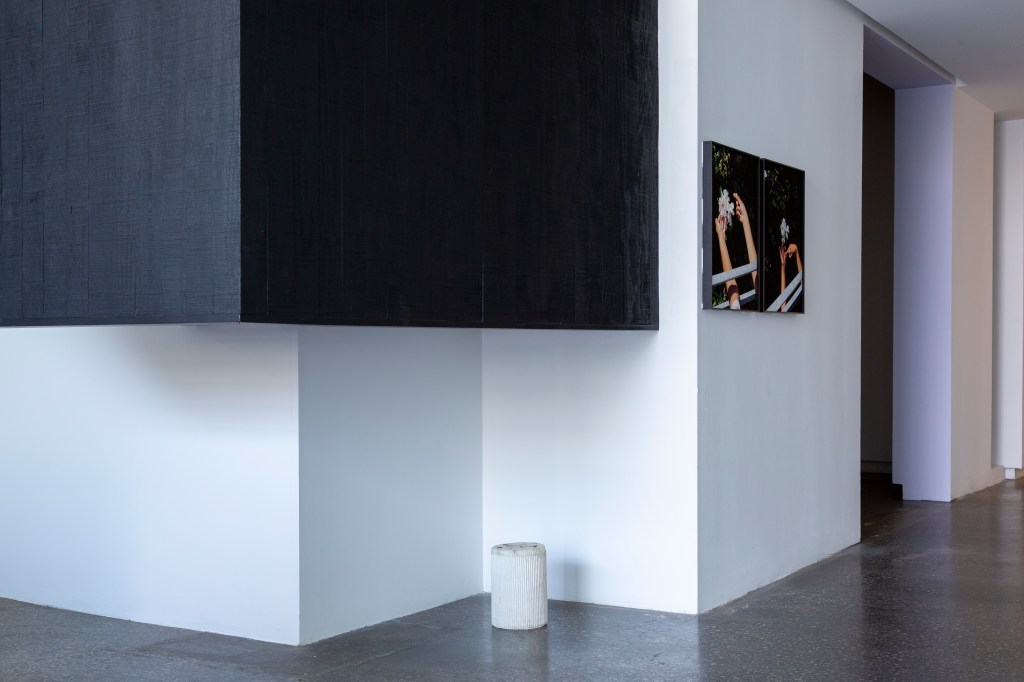
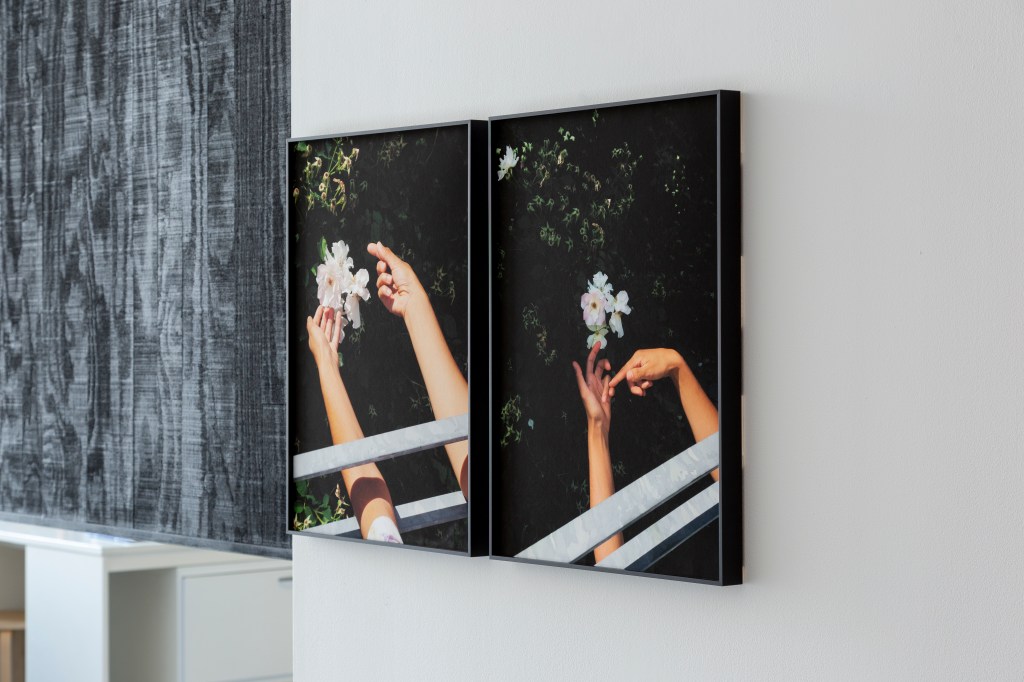
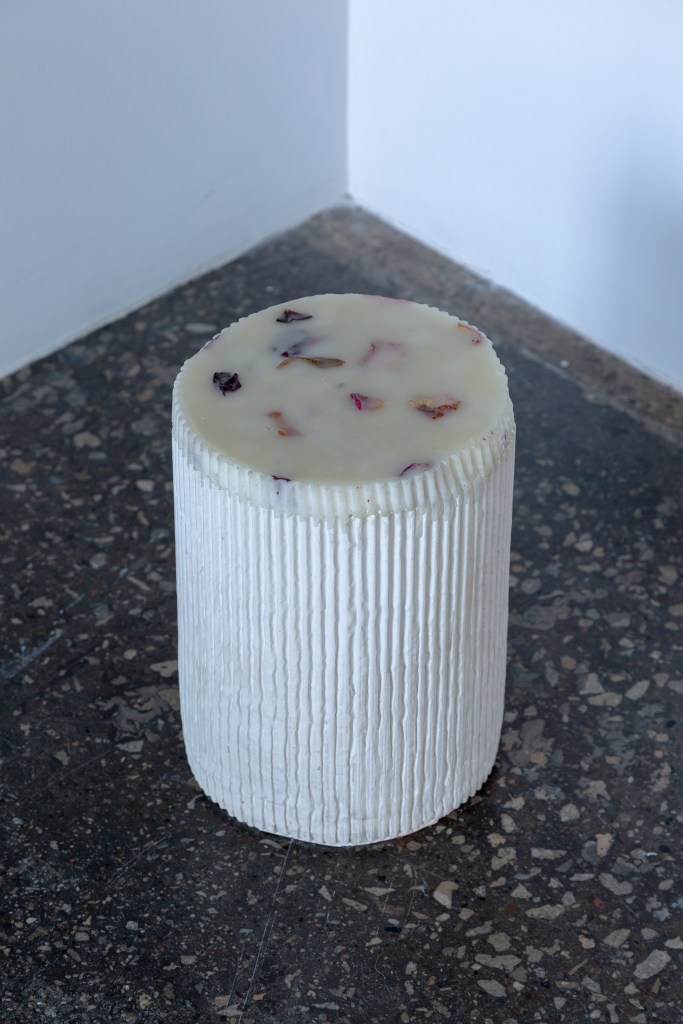
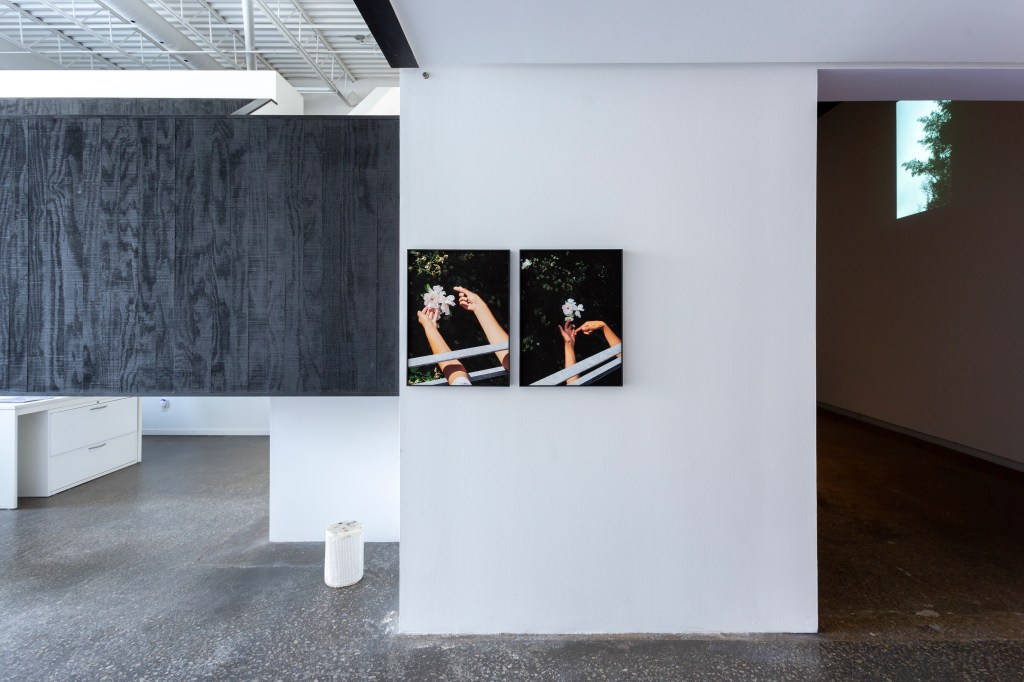
Upon entering the gallery, one meets Eve Tagny’s three video performances: Landscape bodies [rewilding still lives], Labouring bodies [euglogy for the soil] and English Rose [How to hybridize an English Rose]. The works transgress the colonial trappings of roses and gardens with steady, gentle gestures that build connection between the performers, the flower as a living entity, the land, and the context from which the body and rose came to be in relation.
In keeping with the works on view at Gallery TPW, Of Roses [how to embody the layers of time] Fragments of a bibliography, was screened on June 25th as part of the 2022 Images Festival: Slow Edition and continues Eve’s examination of roses as the quintessential symbol of feminine English beauty, unraveling the flower’s historical, political, and social context as well as the geopolitical consequences of the global rose market. Untangling the flower from the constraints of its dominant symbology, Eve recognizes their continued links to systems of domination as harmful beyond their thorns; their effects traversing the physical world to enter that of the spiritual.
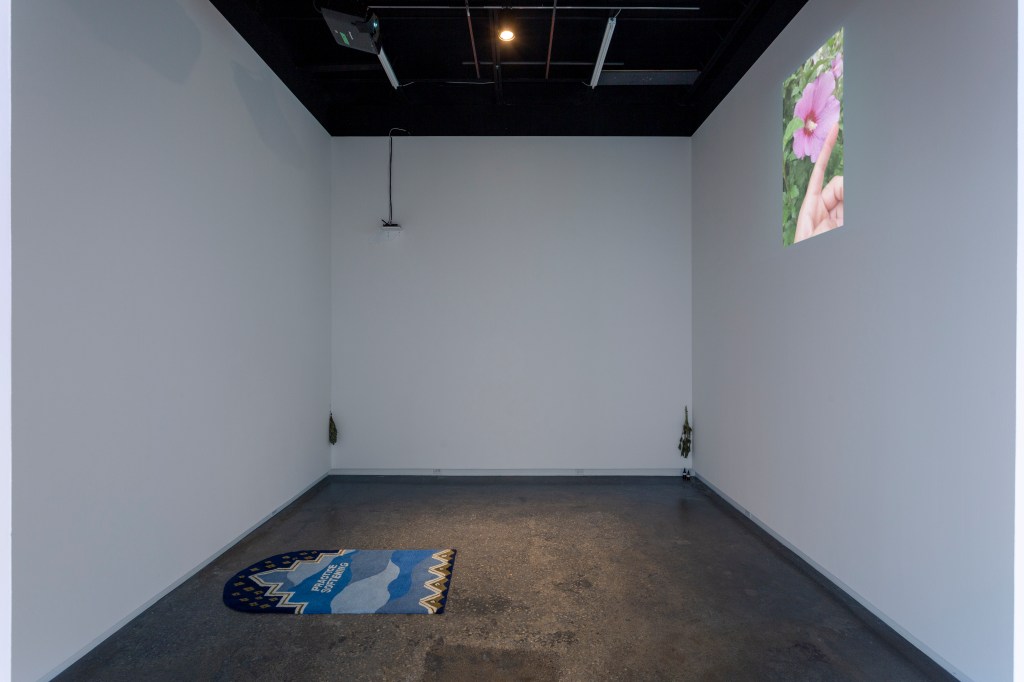
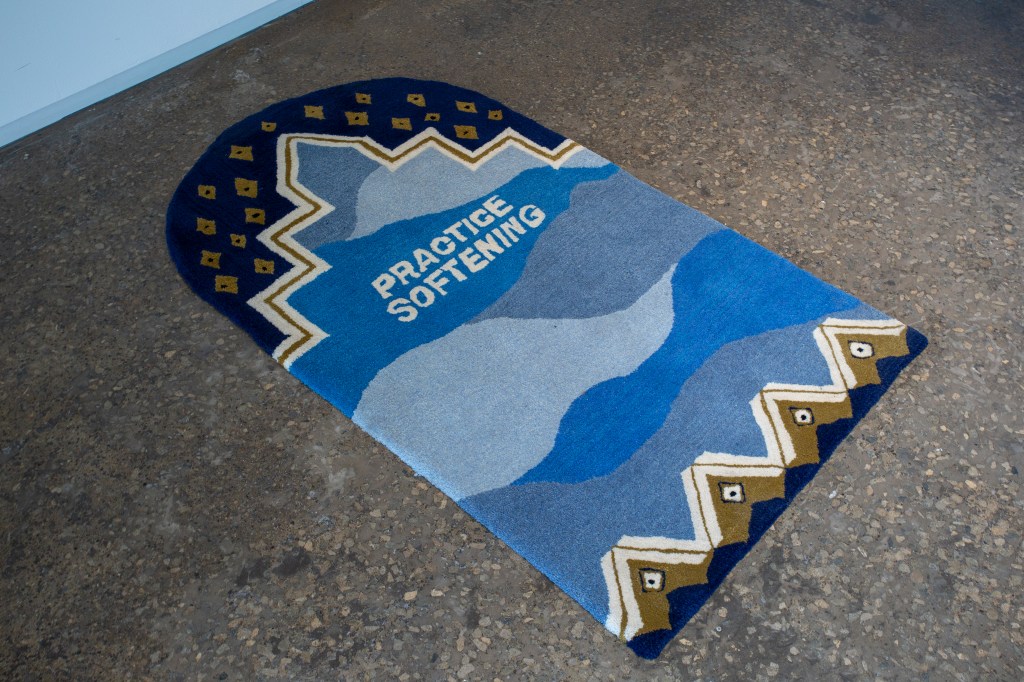
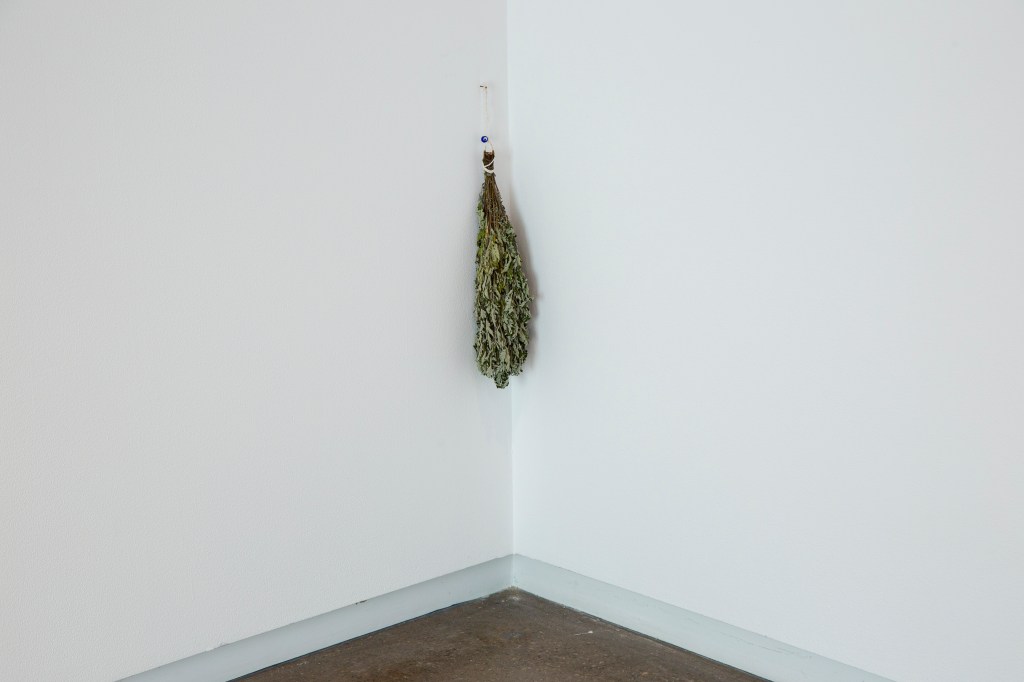
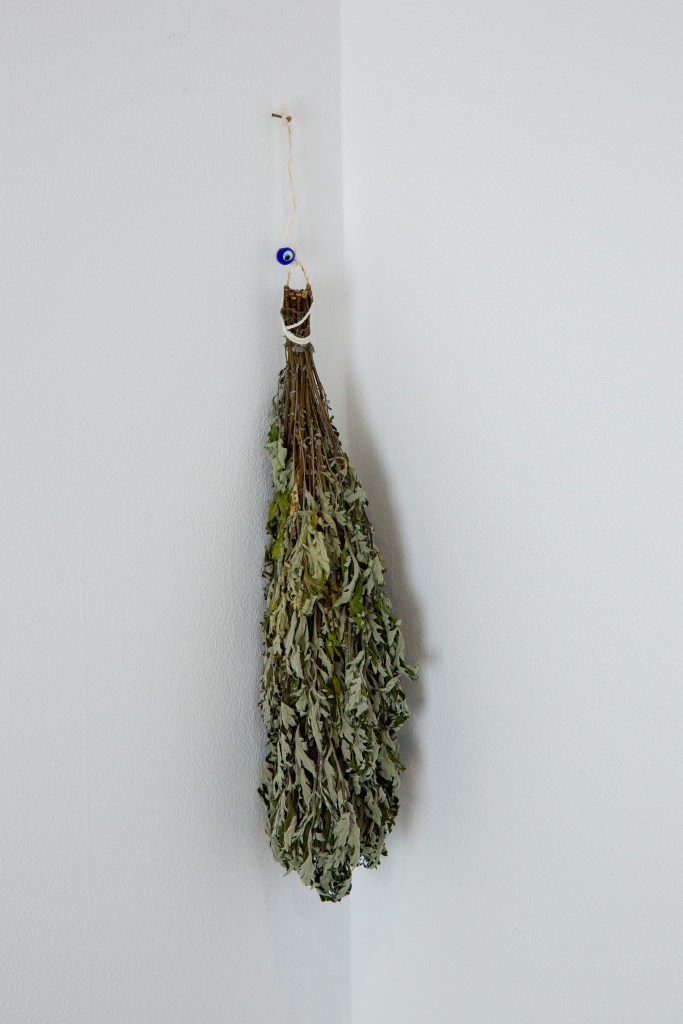
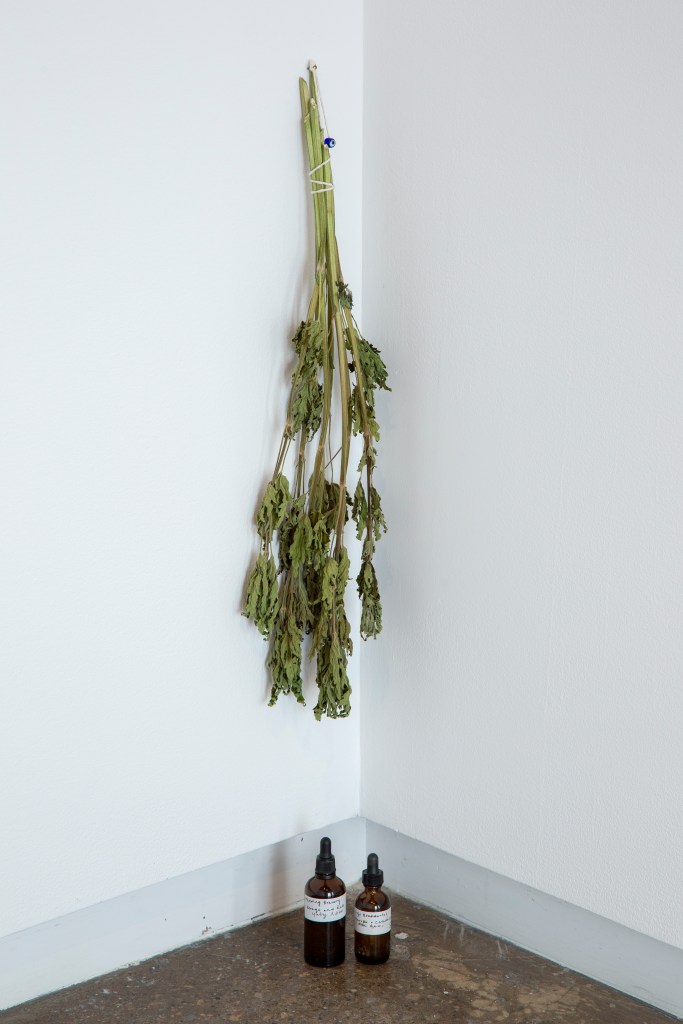
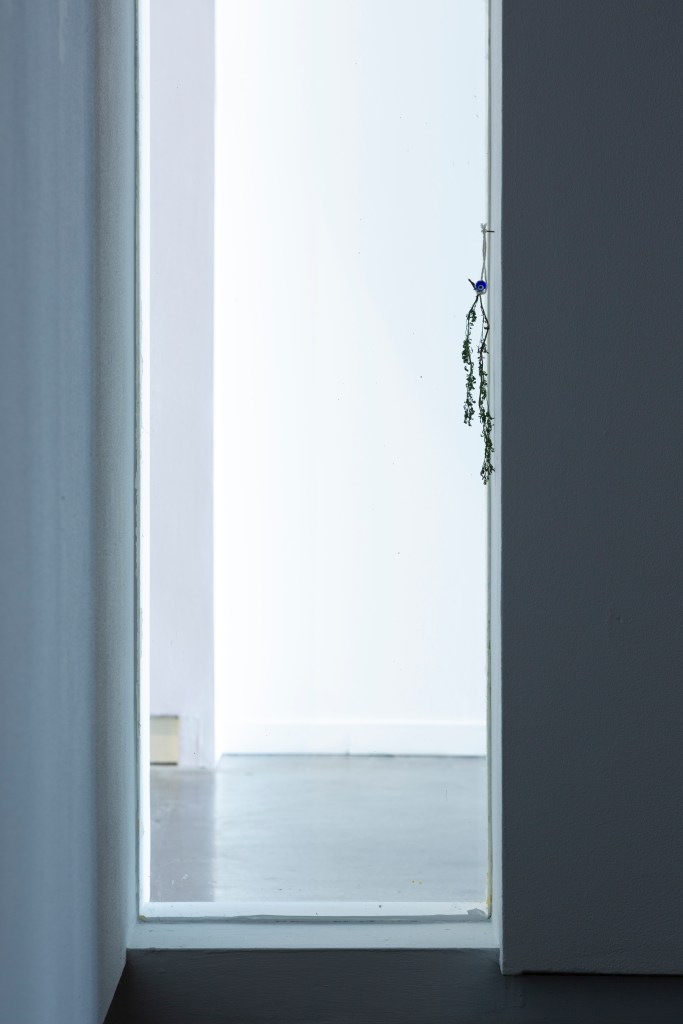
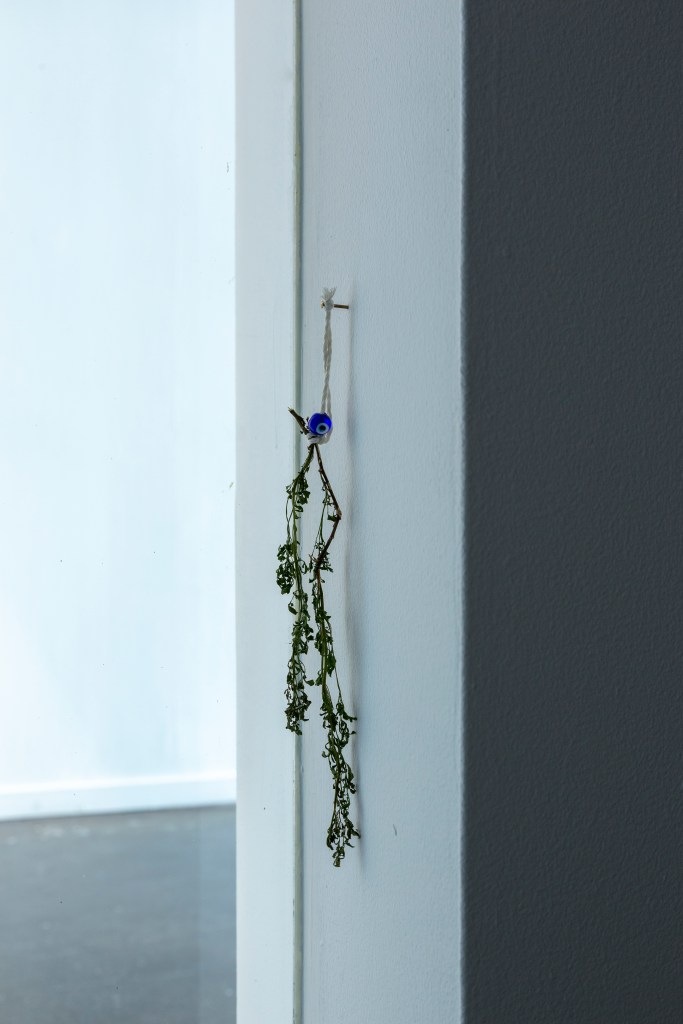
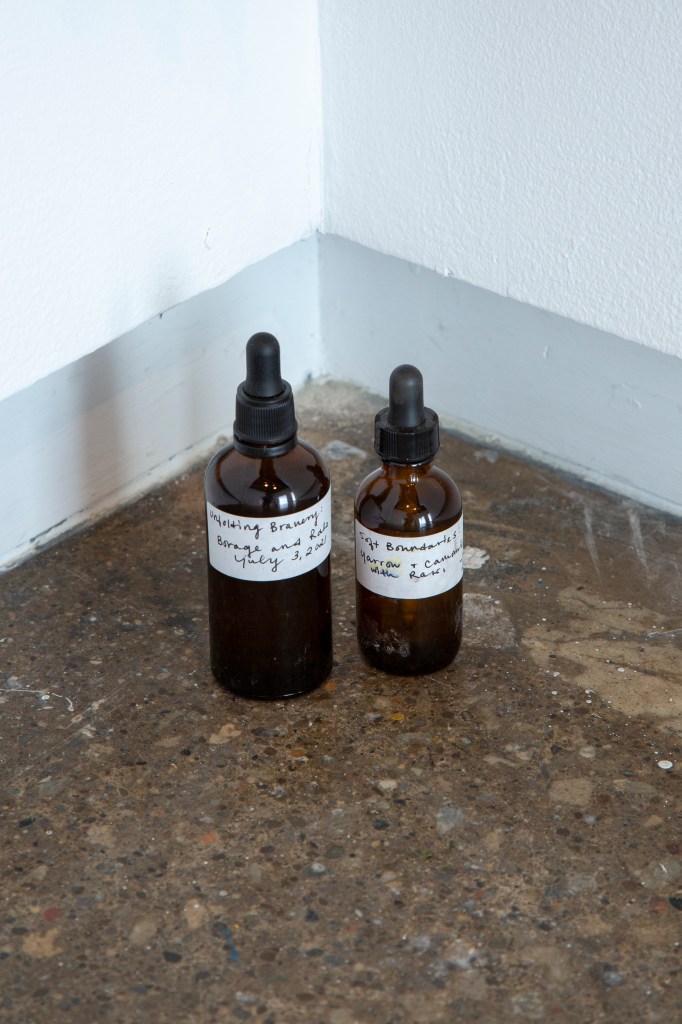
Alize Zorlutuna’s Practice Softening offers a protected space for meditation, release, and solace. A handmade wool rug and video projection are presented in the company of dried and hanging plants that are thought to have protective properties: motherwort, rue, and mugwort are tied with cotton string and a Nazar.
Alize writes:
Practice softening invites audience members to lay themselves down within the holy form of the mihrāb and to attune their embodiment to elemental movements of the natural world. Here the form of the mihrab becomes a portal connecting the corporeal and the divine: inviting us to sense the flows of moving water, to breathe with the rhythm of wind through trees–as a practice that can change the texture and shape of our embodied experiences. Drawing on Anatolian carpet symbolism, the protection of Nazars, alongside the flows of water and the groundedness of mountains, are woven into this site for rest. Further supported by hanging medicinal plants for energetic cleansing, protection, moving rage, and dream-work, the installation opens a portal for audience members to engage in softening as a practice.
Projected high on the wall simulating the angle at which one might look up at a tree is a video that was recently filmed on Alize’s iPhone during their travels to their place of ancestry, Anatolia. The slow moving, almost 10-minute video shifts from sky to land to water and corresponds with the imagery Alize has woven into the mirhāb, bridging the two.
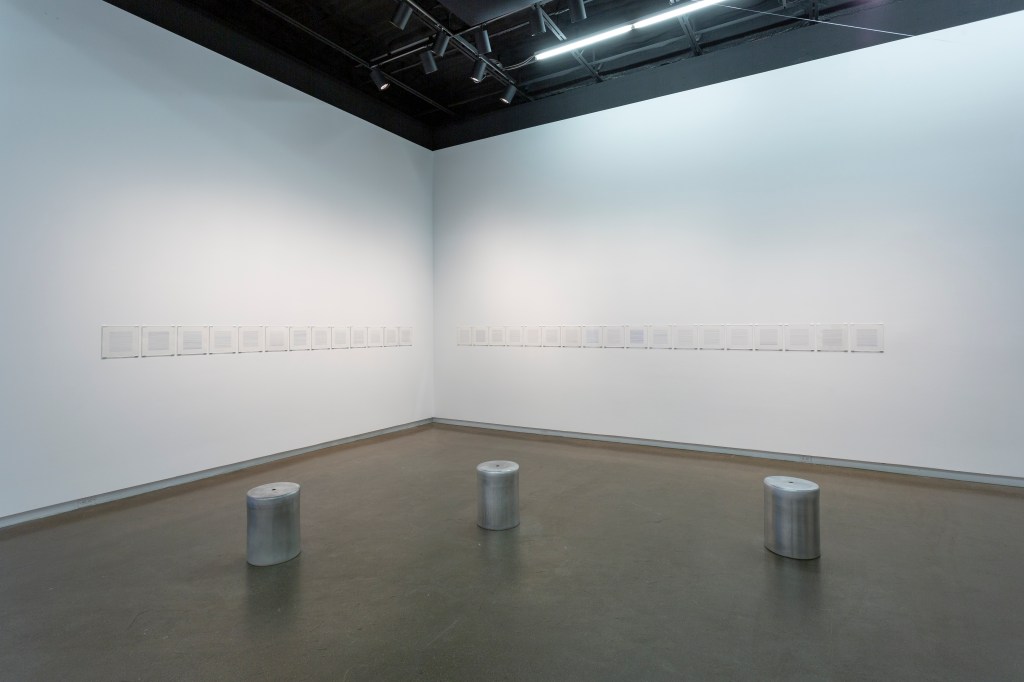
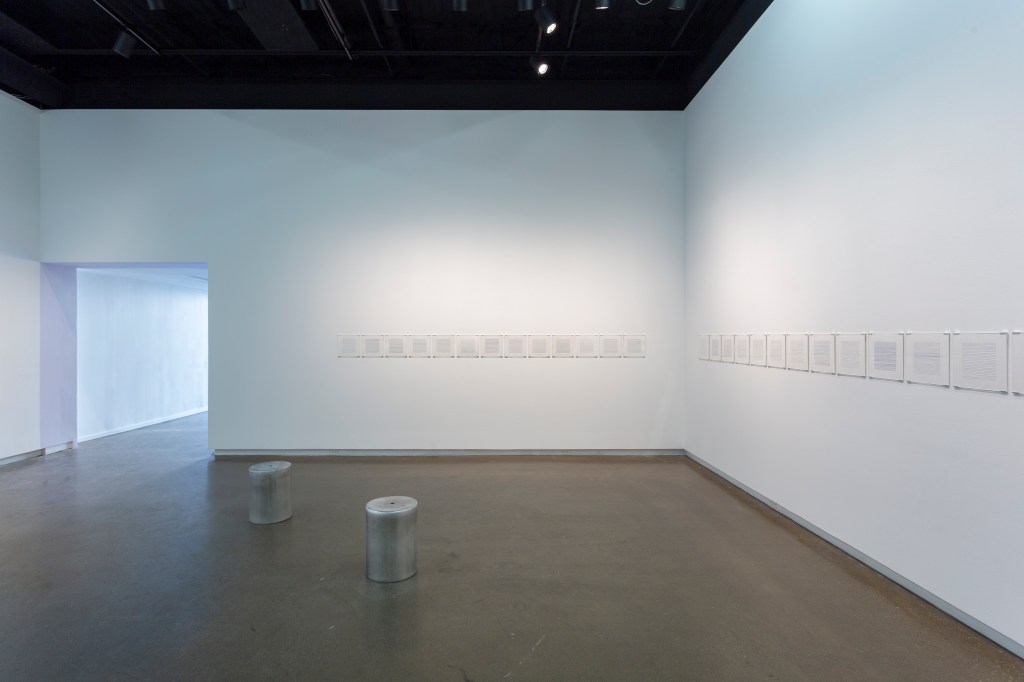
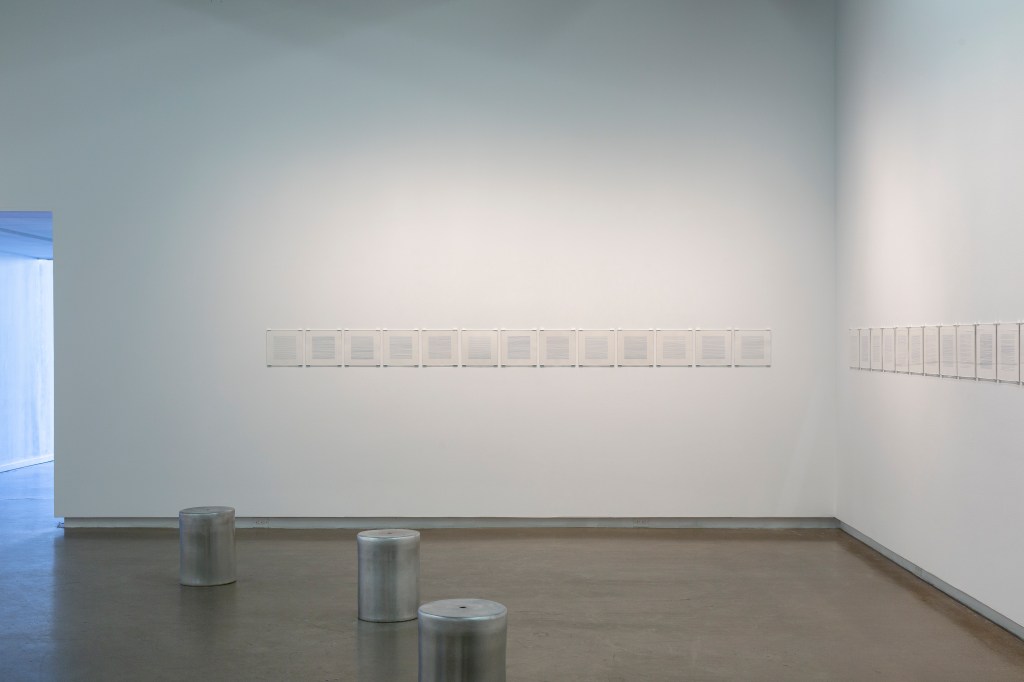
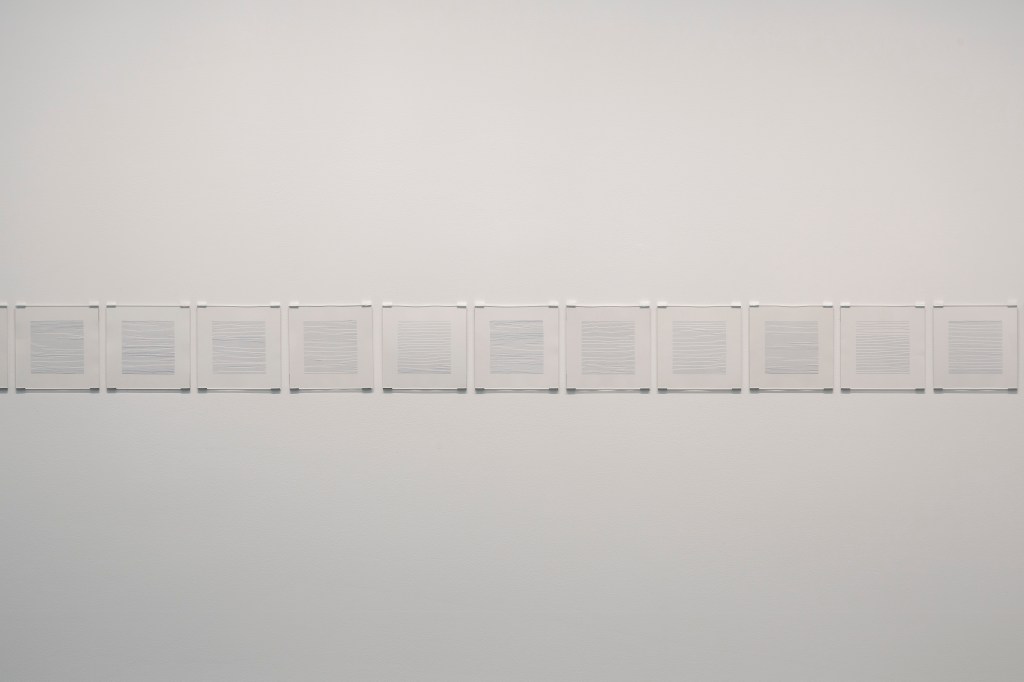
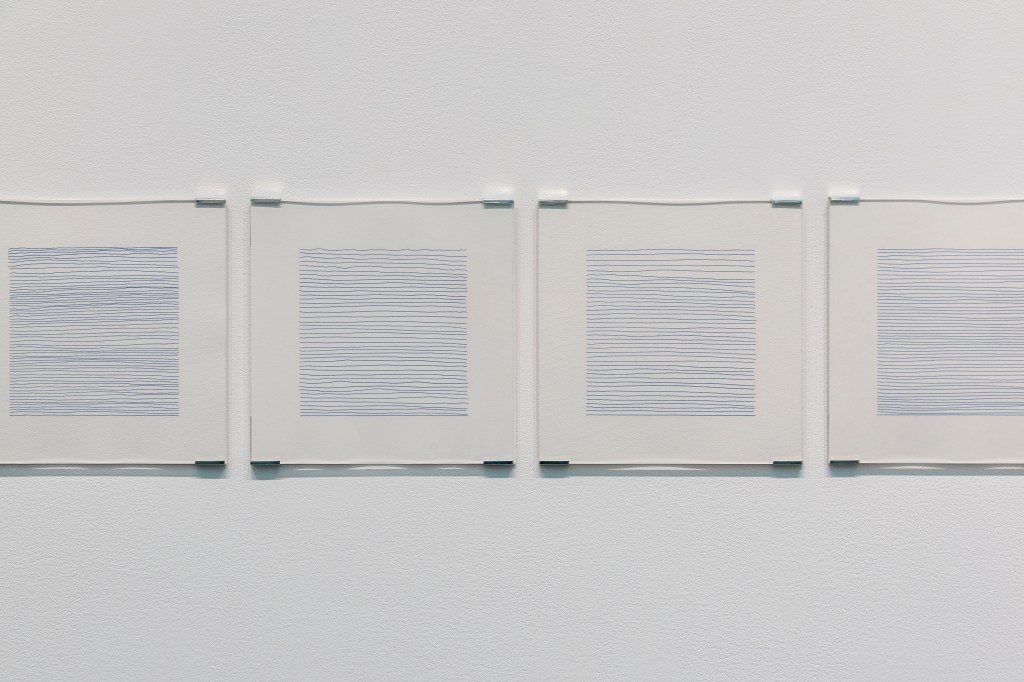
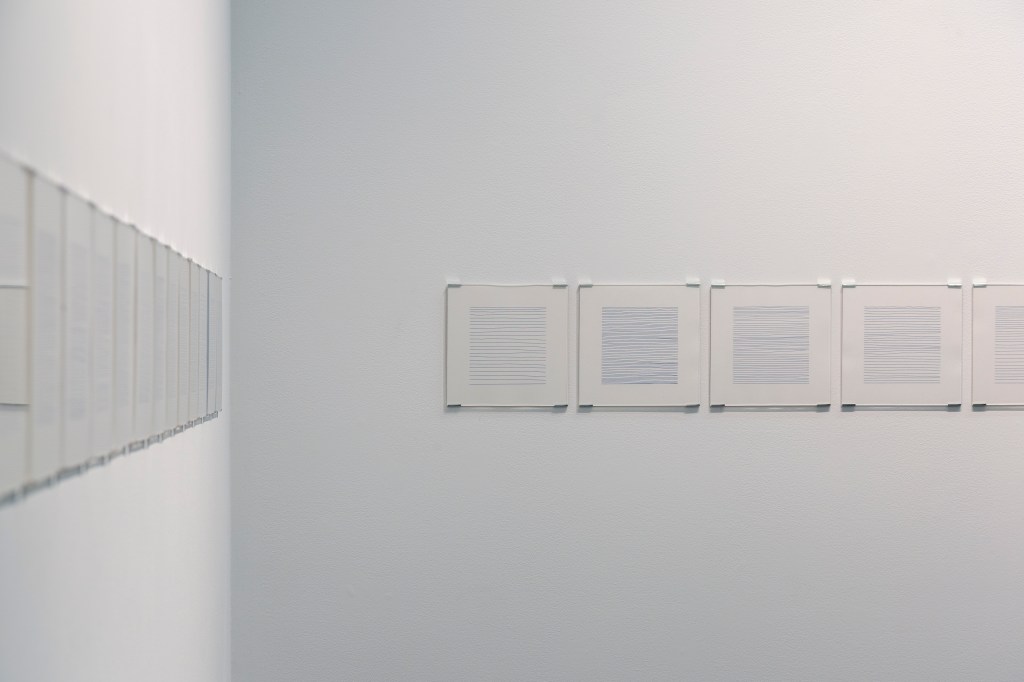
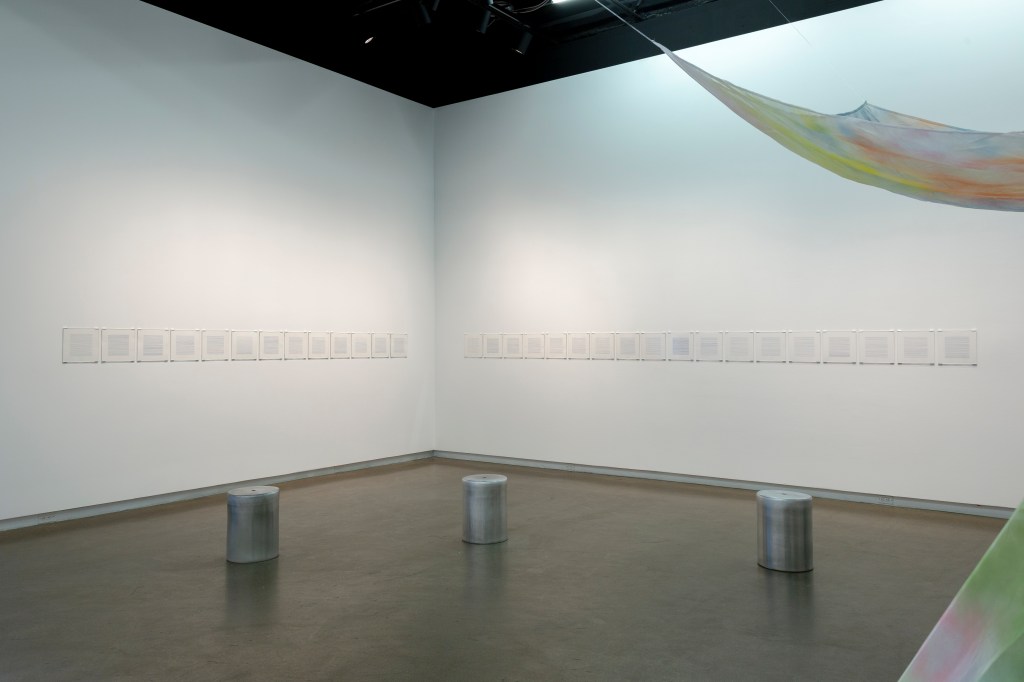
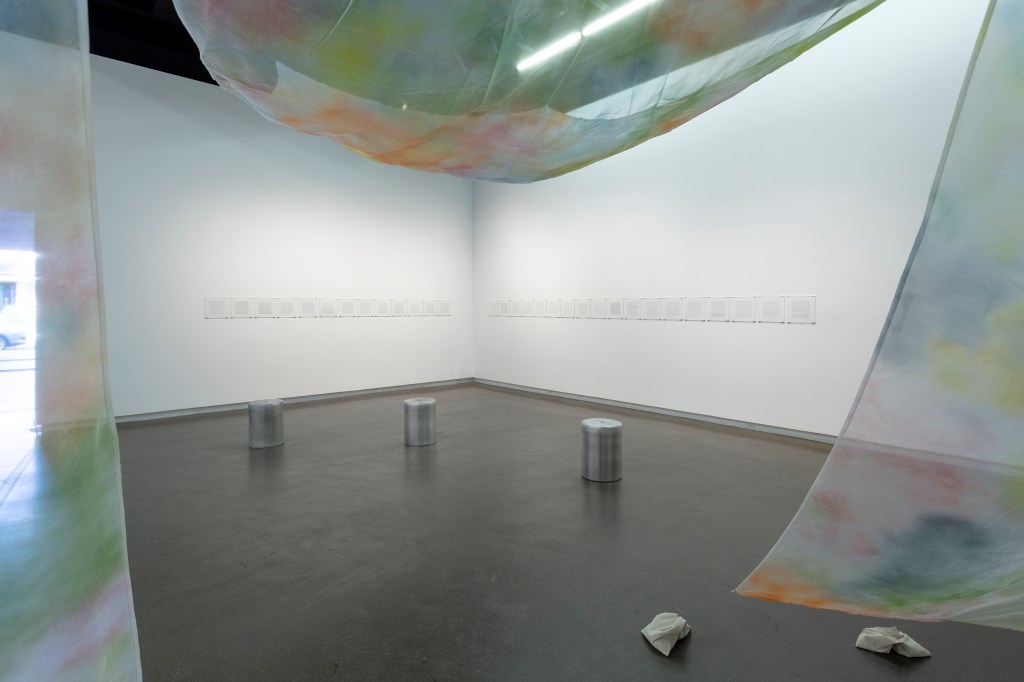
Opposite Practice softening are Erika DeFreitas’ the responsibility of the response (in conversation with Agnes Martin) consists of 31, 11-inch squared monoprints. Their delicate blue lines—transferred by the artist’s touch from thin sheets of carbon paper to the sturdier paper they now reside on—are held safe as they are made available for viewing.
Erika is an artist who often converses with those who came long before her. Jeanne Duval and Maud Sulter are prominent in her work. Here, Erika conjures Agnes Martin, a so-called Canadian-American artist who passed away in 2004 and was known for painting lines and grids imbued with emotion, states of being, and, as writer Olivia Laing describes, “infinitely subtle variations.” Erika’s transfers on paper were made daily throughout August 2021 and too provided subtle variations that are reminiscent of Agnes’ Untitled ink drawing from 1960 housed in the Museum of Modern Art, New York.
Agnes famously said she made paintings with her back to the world. By this, she may have meant that her focus was on interiority. Erika’s lines document the connection between the interior world and external forces. the responsibility of the response (in conversation with Agnes Martin) wordlessly diarises the artist’s inner plane. Drawn by hand when she required stability, routine, and connection to the physical world, this artwork registers even the slightest fluctuations. Unguided, straight-ish lines condense here and separate there, but each day combine to clearly depict a square.
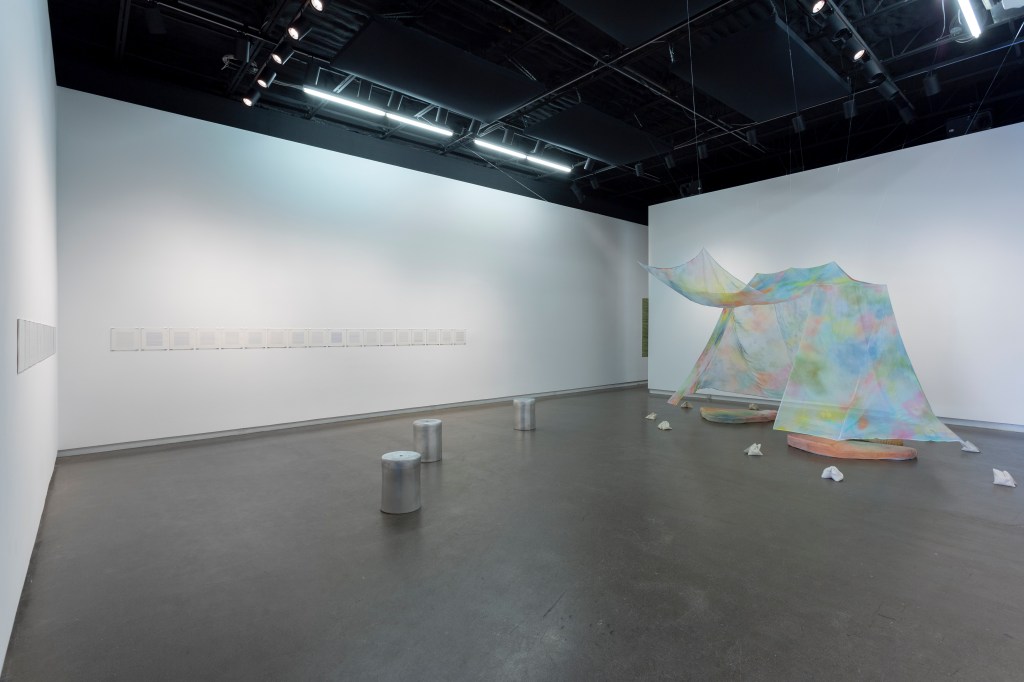
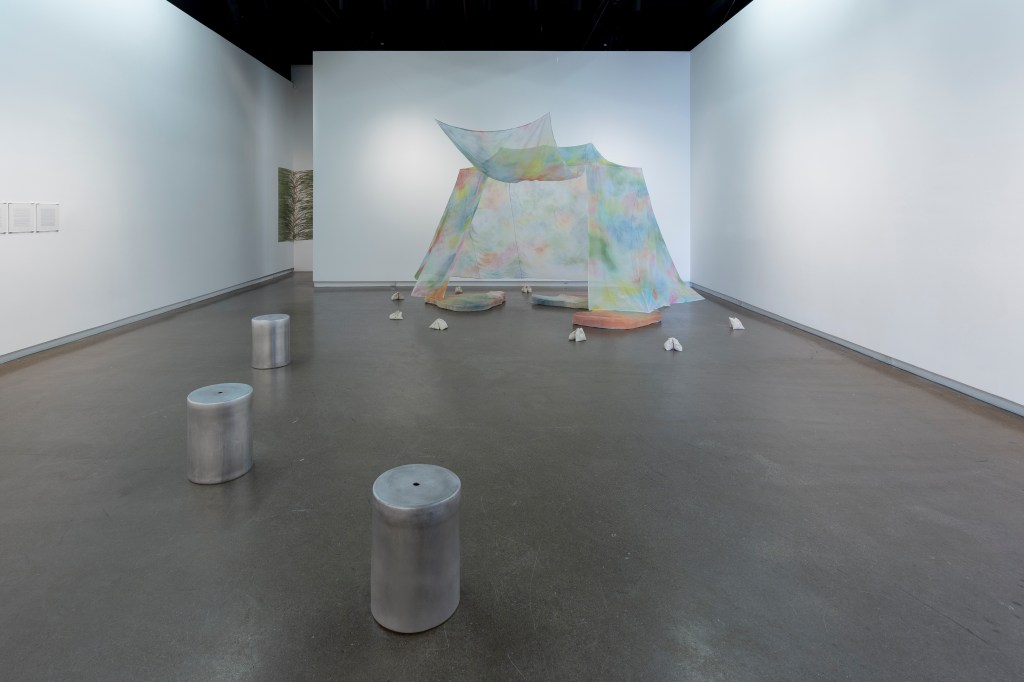
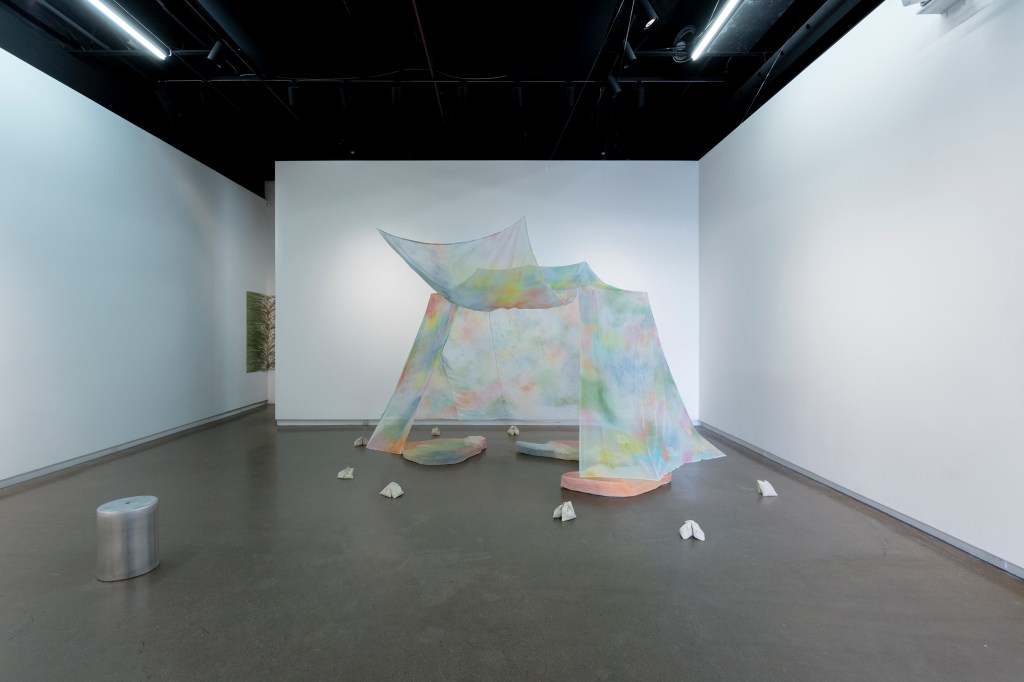
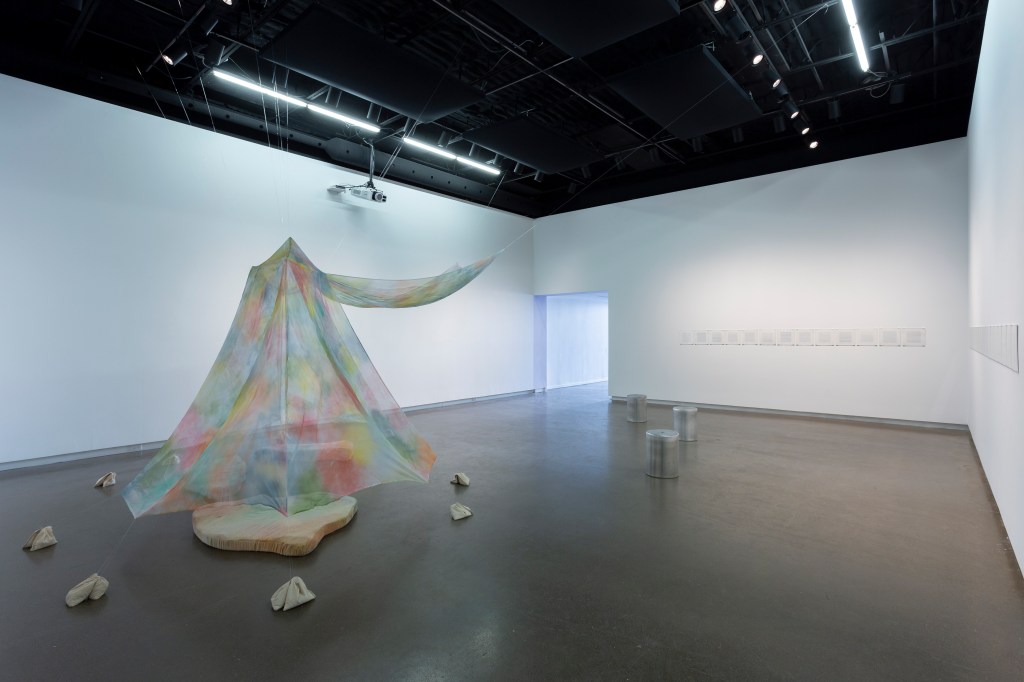
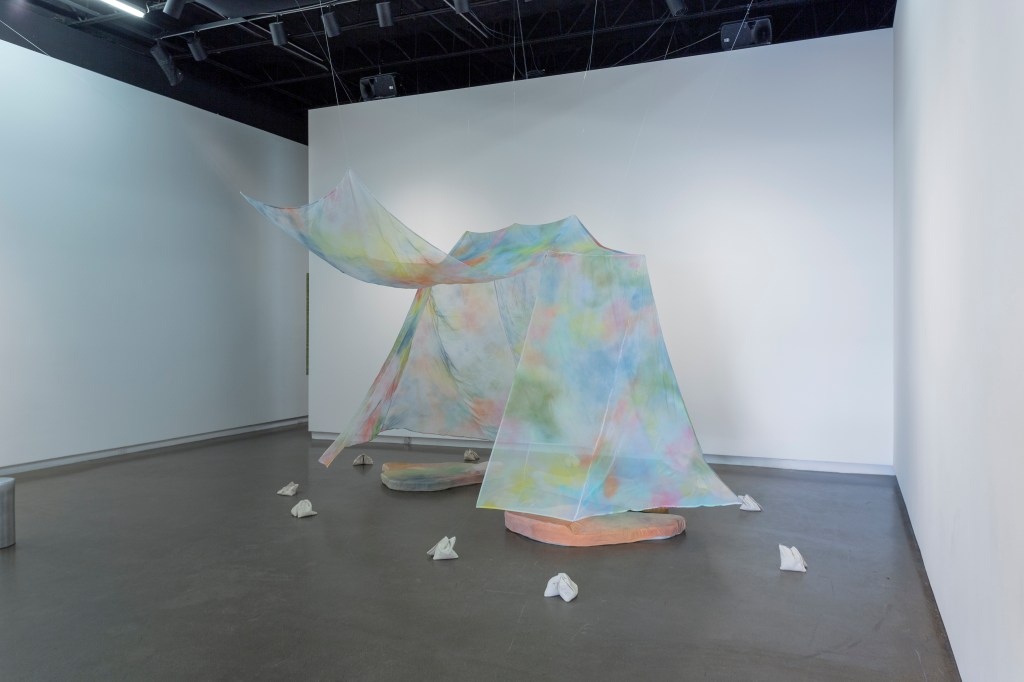
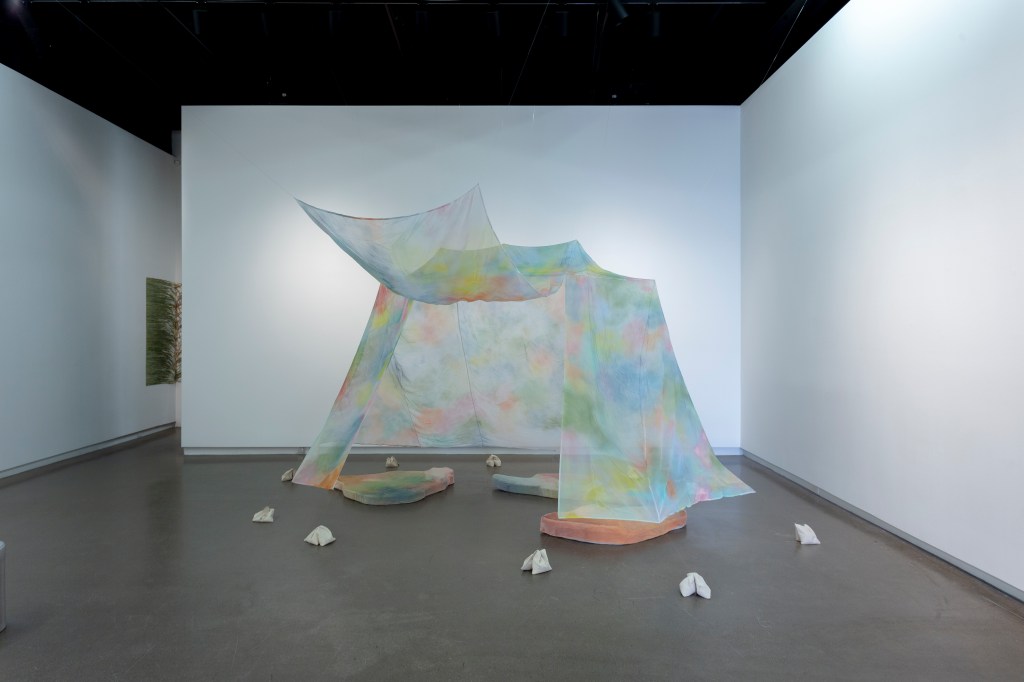
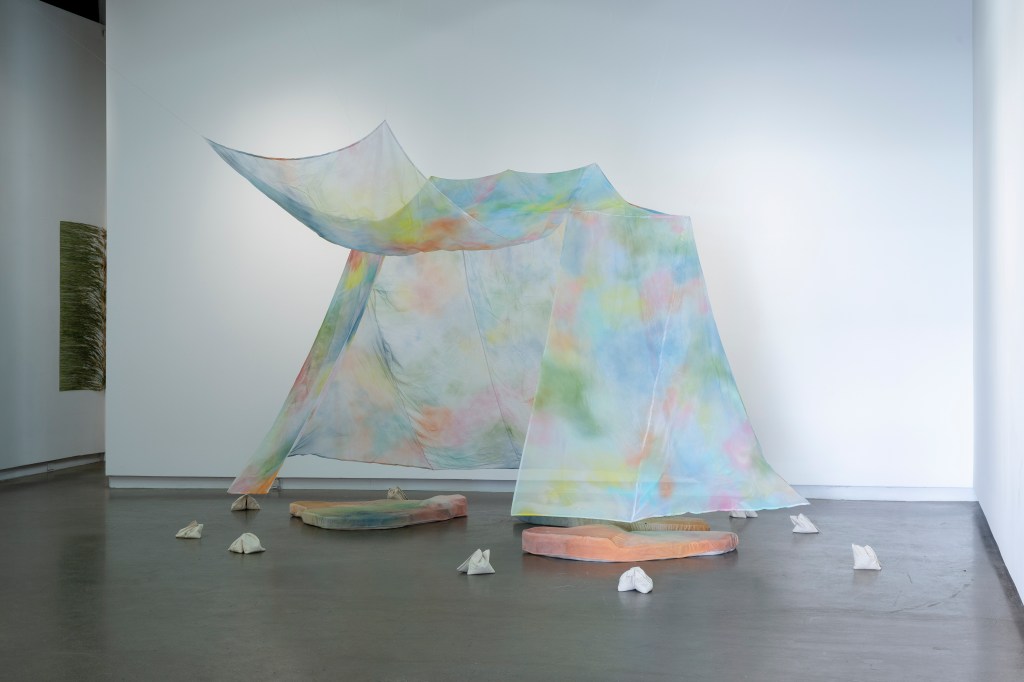
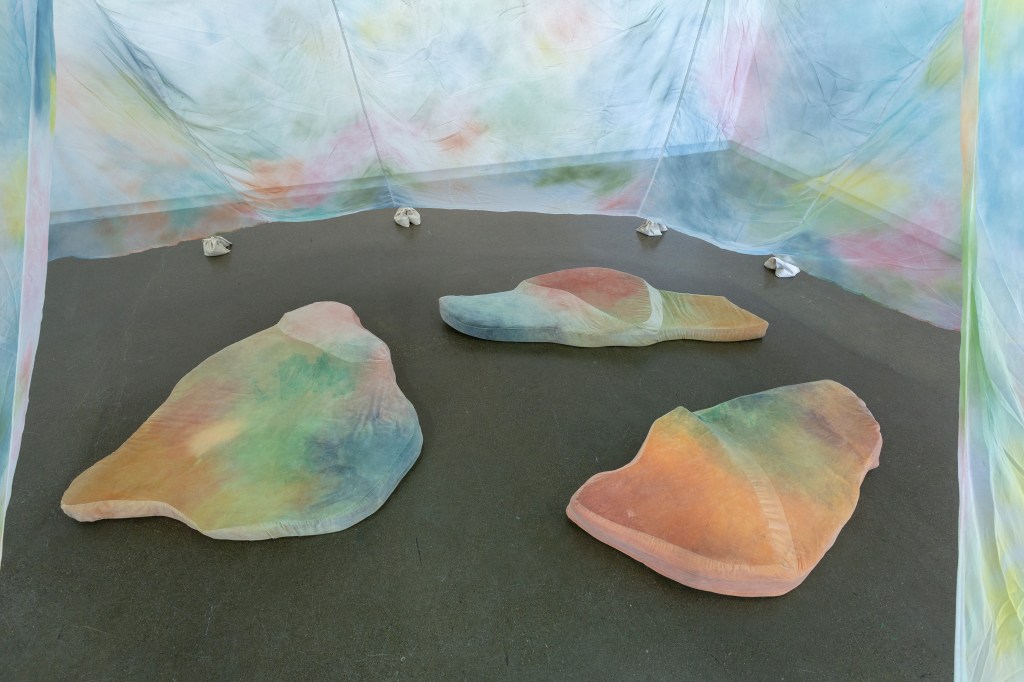
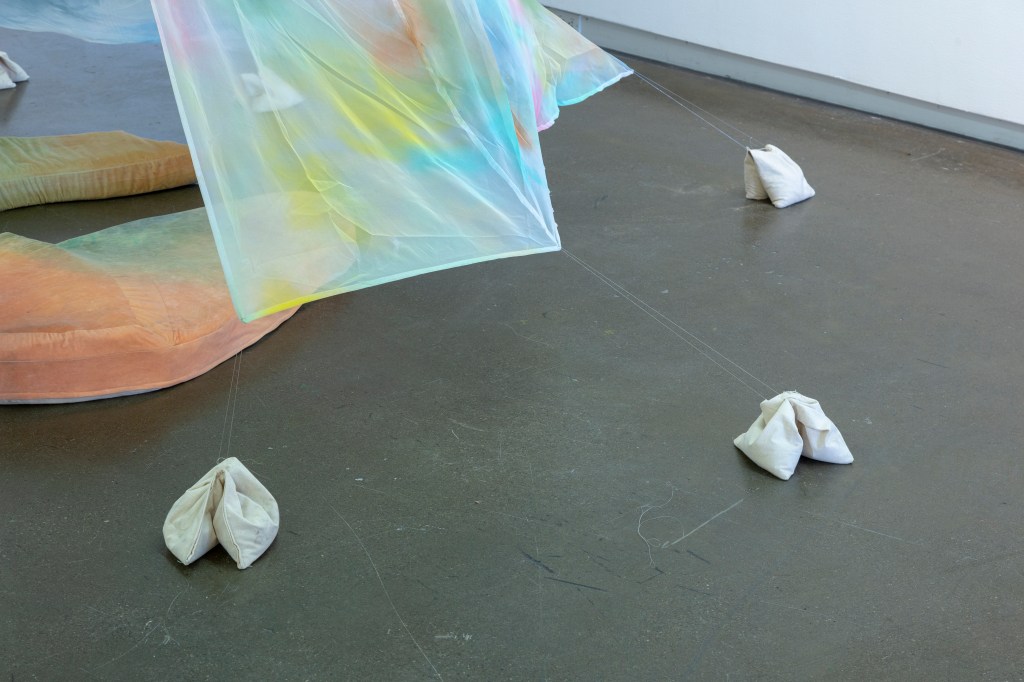
Adjacent to the responsibility of the response (in conversation with Agnes Martin) is an ethereal floating tent spray painted with the colours of sunrise as artist Rihab Essayh experienced them in her new home in Guelph, Ontario. Accompanying this tent is a sound recording of birds heard outside the artist’s window in the early mornings. Made out of necessity during a time when Rihab felt most isolated and in need of comfort, الشوق لجوقة العصافير عند الغسق (Longing for a choir of sparrows at dusk) became the place where the artist could feel secure, find rest, and land softly.
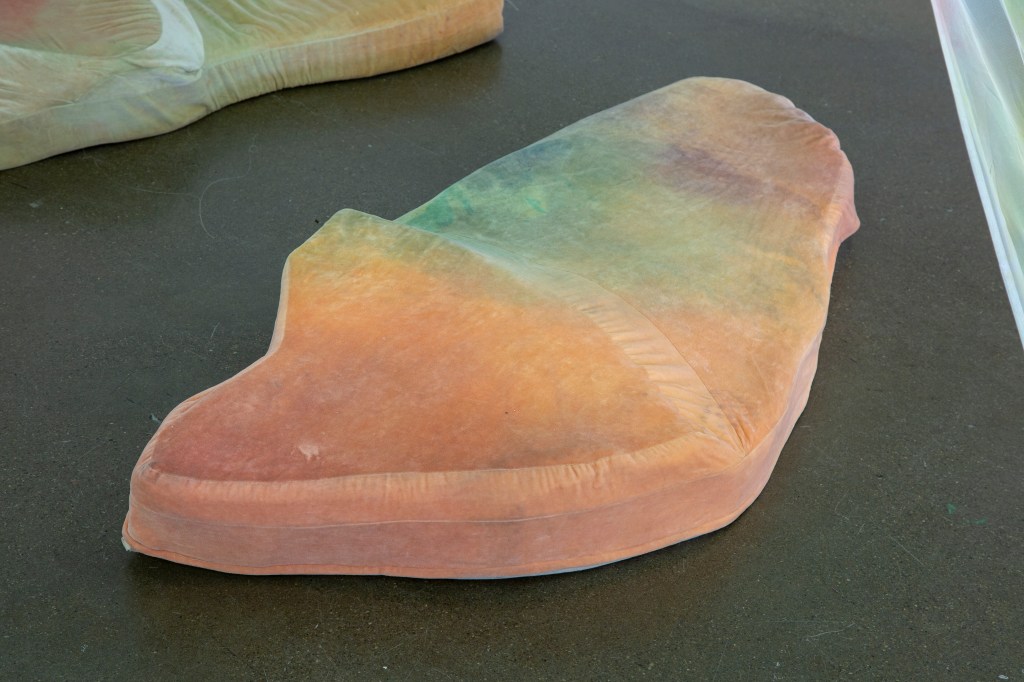
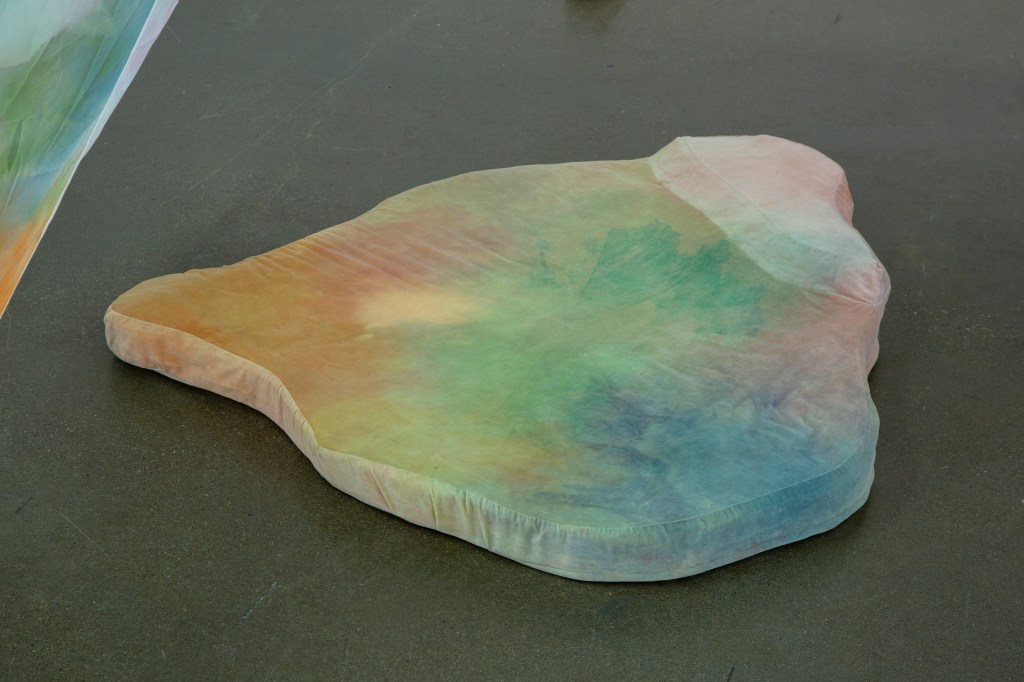
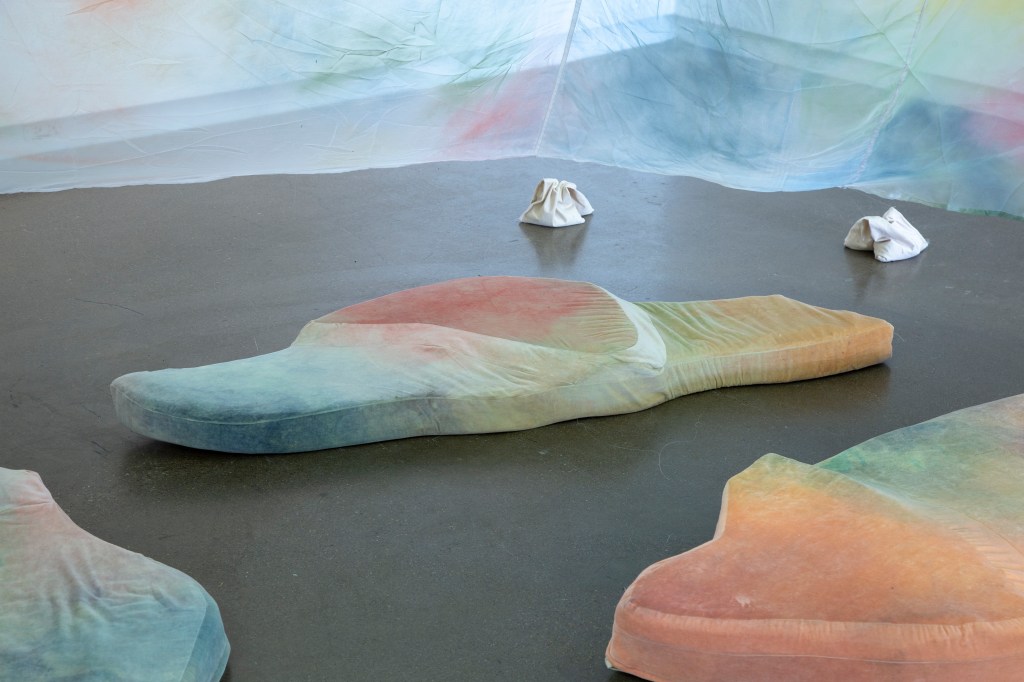
Heard throughout the gallery, the birdsong beckons the viewer towards it. Stabilized with temporary sandbags, this mobile unit houses three hand-dyed velvet pillows calling one to sit in the company of others. Beautiful and inviting, the tent is visibly temporary. It allows for the potential of communion, consolation, and hope, if only for the time being.
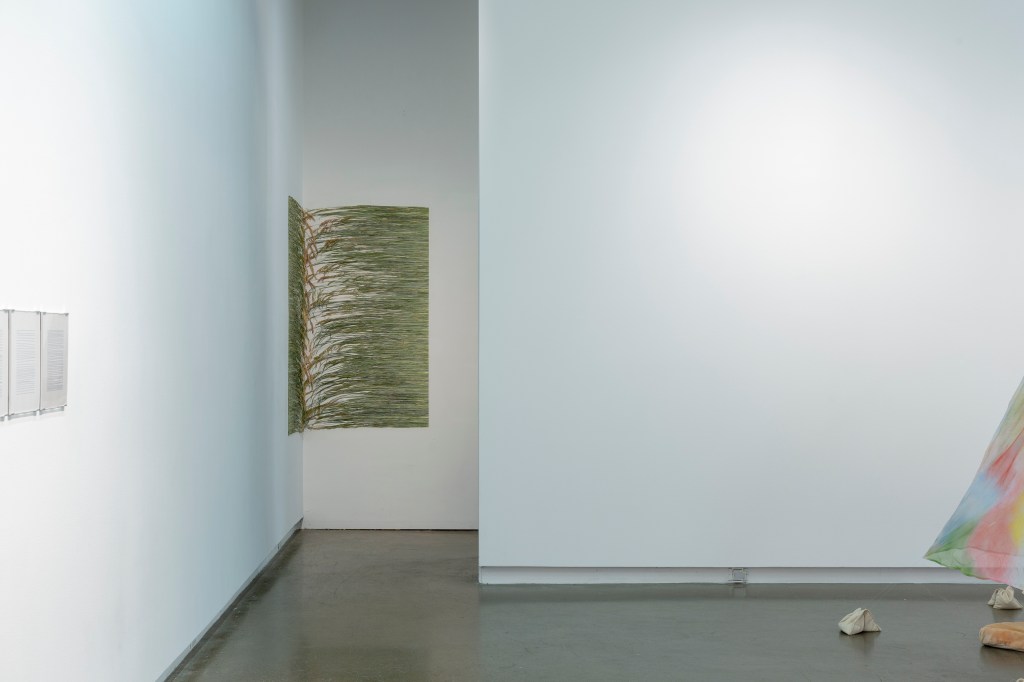
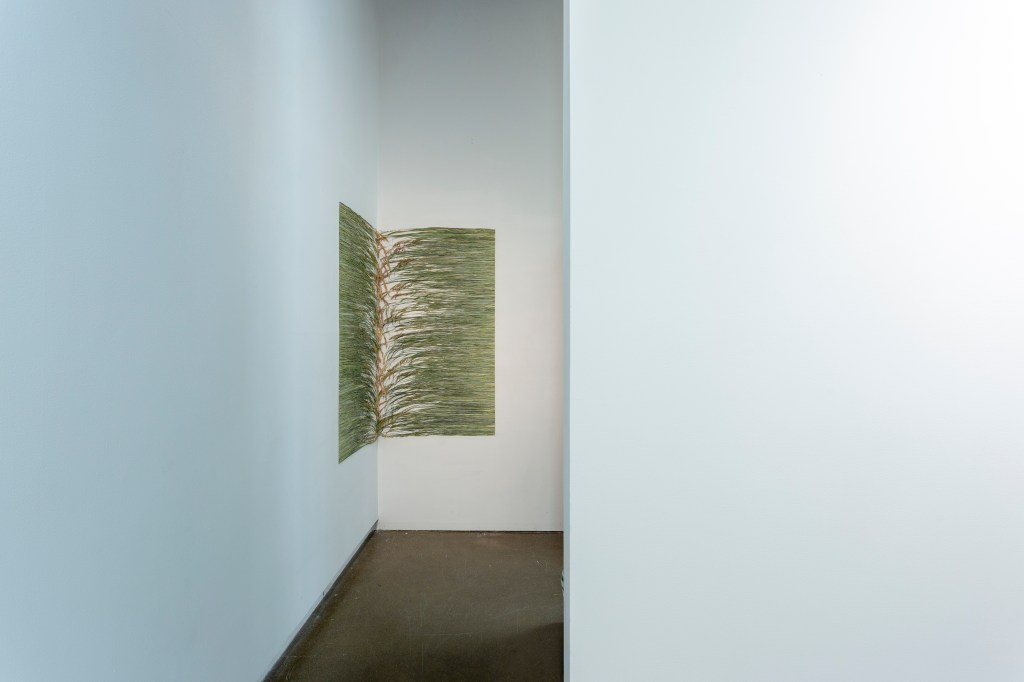
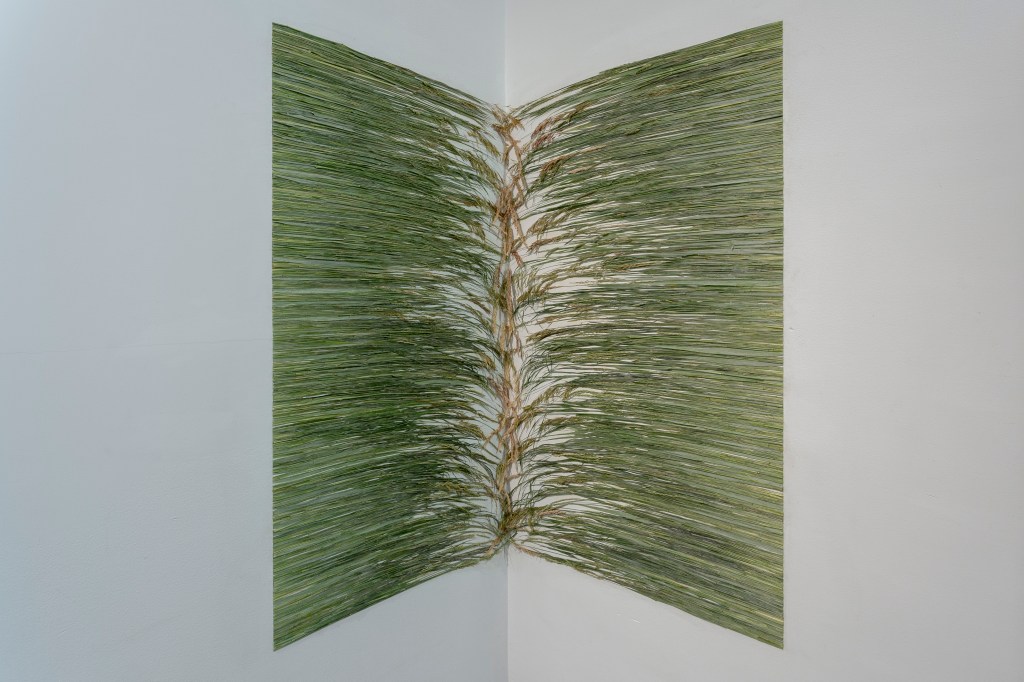
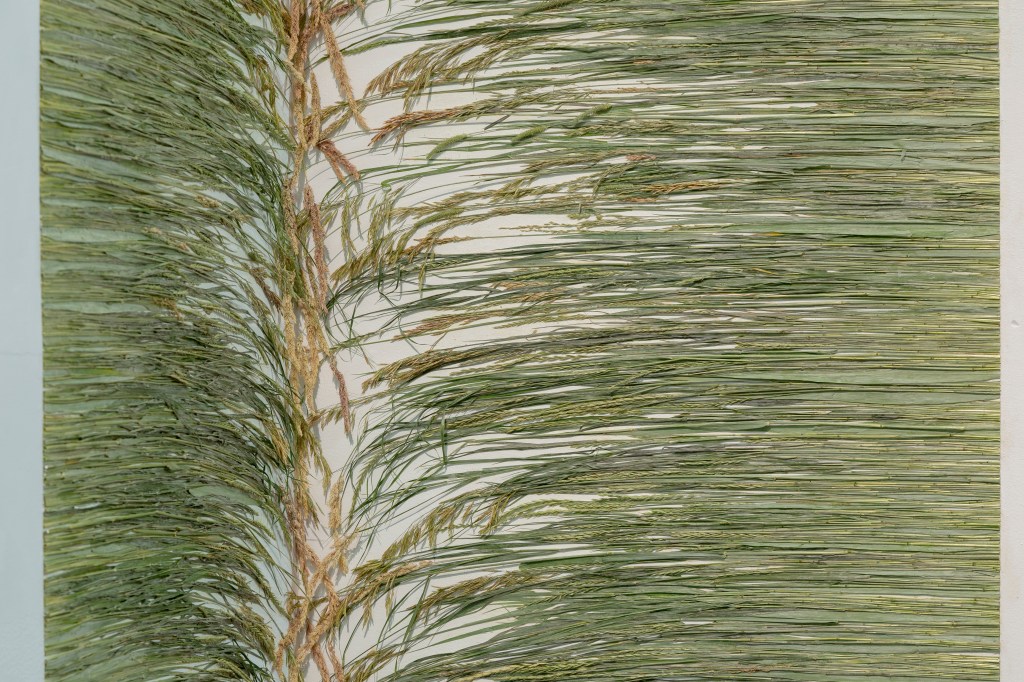
No work in the exhibition entirely embodies impermanence like Alyssa Alikpala’s in between. The softest of grasses, gathered from the nearby Rail Path, are pasted into the furthest reaches of the gallery. Alyssa began using flowers, grasses, and wheat paste as affordable art supplies during the pandemic. Typically seen outdoors, her installations are pasted onto brick walls, concrete underpasses, and other areas where one might not expect to see greenery in the urban context. Temporary in its very nature, the artwork will wither and fall from the surface, leaving behind the faintest impression of what was there before. In the gallery, however, these diaphanous grasses and greens are adhered, not in haste, but slowly, softly, stem by stem guided by a considered and meditative process that not only informs the work, but drives it. Lasting only the length of the exhibition, in between both captures and releases the tensions held by the artist while the work was being installed and results in a portal to what might come after.
Though soft in aesthetic and theme, the exhibition showcases artworks by critically lauded, so-called Canadian artists who consider complex entanglements of bereavement, spirit and love. With compassion at its core, a soft landing celebrates the slow process of coming together while adjusting one’s comfort levels to the current phase of the pandemic.


 Jaclyn Quaresma
Leave a comment